
🖥️ About the Server
💡 Why Build a Home Server?
This project started as a way to reclaim control over my digital life—hosting my own services, managing my photo library via Immich, and running smart home automations with Home Assistant without relying on third-party cloud providers.
But it quickly became much more than that. It evolved into a dedicated platform for learning, tinkering, and developing custom software, acting as the backend for projects like my HOSPO OPS hospitality system and custom ESP32 microcontroller integrations. Running on a robust Ubuntu Server backbone, it handles a heavy stack of Docker containers managed through Portainer, providing the flexibility to experiment, break things, and rebuild them better.
🧰 What Makes It Special?
Rather than relying on a generic, off-the-shelf NAS, this server is a fully custom-built machine designed around data integrity, scale, and specific workloads:
- Core Processing: A 6-core/12-thread Intel Core i7 CPU paired with 64 GB of DDR4 memory provides massive headroom for heavy multitasking and containerized services.
- Media & Transcoding: An NVIDIA Quadro P400 sits on the MSI Z370M motherboard, dedicated to handling efficient hardware transcoding.
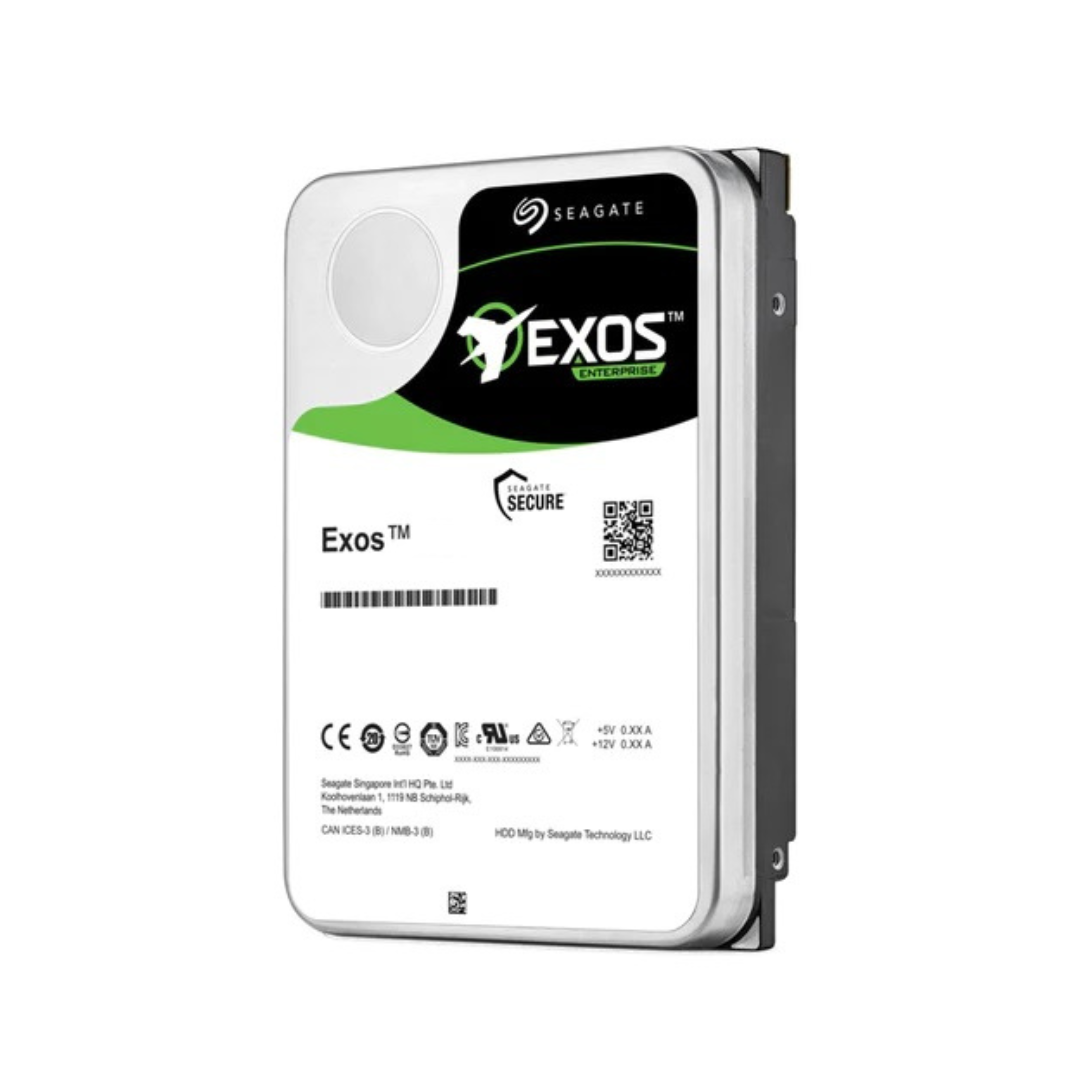
- Enterprise Storage: 48 TB of raw Seagate Exos storage (32 TB usable) is managed via MergerFS and protected by SnapRAID with dual parity, all routed through a flashed LSI HBA card for unhindered data access.
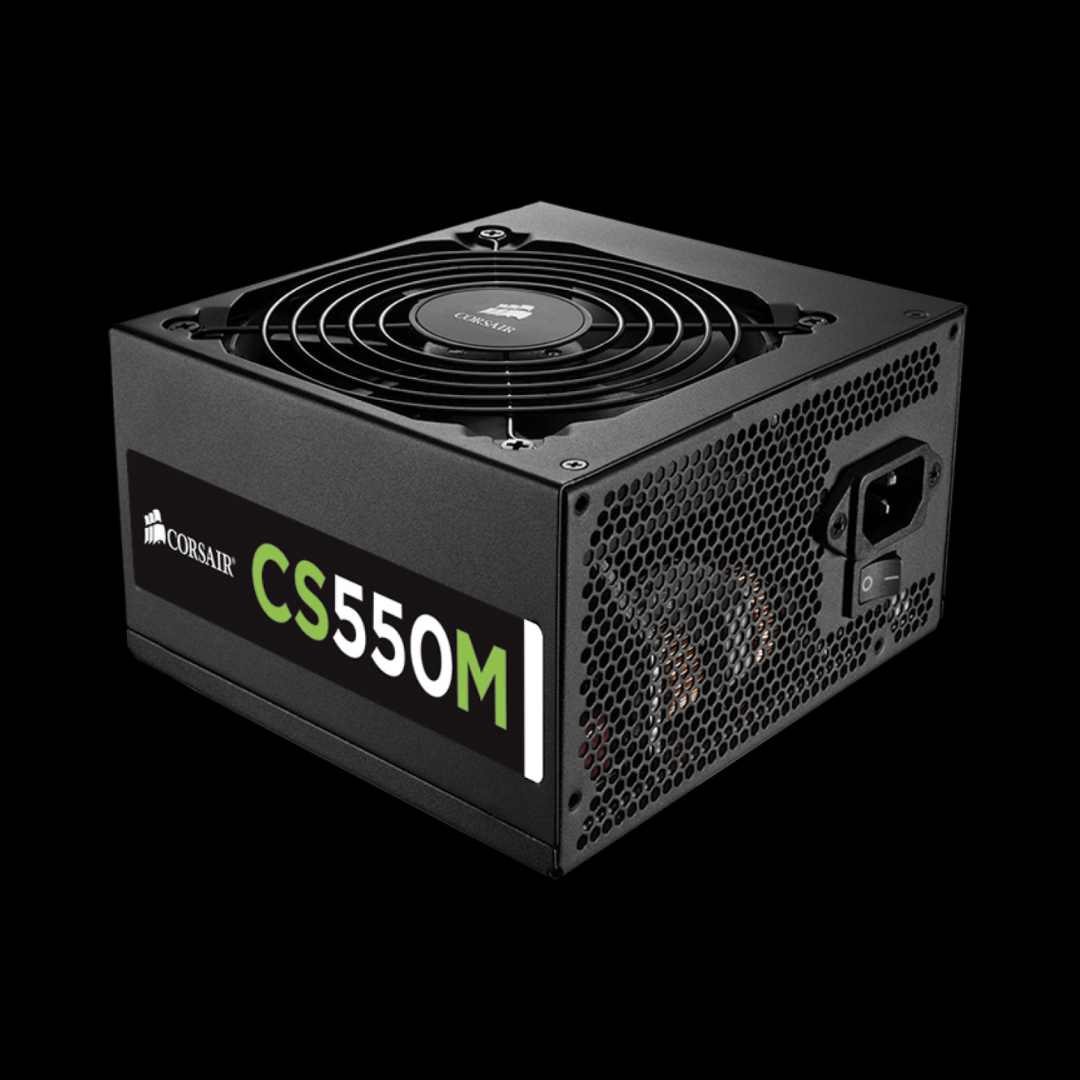
- Power & Cooling: A 1000W Corsair RM1000x power supply ensures rock-solid stability and future-proof expansion inside the clean, airflow-optimized Node 804 cube chassis.
It’s not just a machine—it’s a showcase of what’s possible with smart part selection, a custom architecture, and a focus on bringing enterprise-grade reliability into a home lab environment.
🔗 Connected and Contributing
The server isn’t just sitting quietly in a corner. It’s constantly working—providing services, acting as a development API, and serving up content. As the demands on the lab grow, the roadmap is already open for future expansions, including 2.5GbE networking and M.2 storage upgrades.
And best of all? It’s an open project. If you’d like to contribute, suggest ideas, or just talk home lab architecture and self-hosting, I’d love to hear from you.
🚀 Ready to Dive In?
Want to see exactly what powers it all under the hood? Check out the full hardware breakdown below.
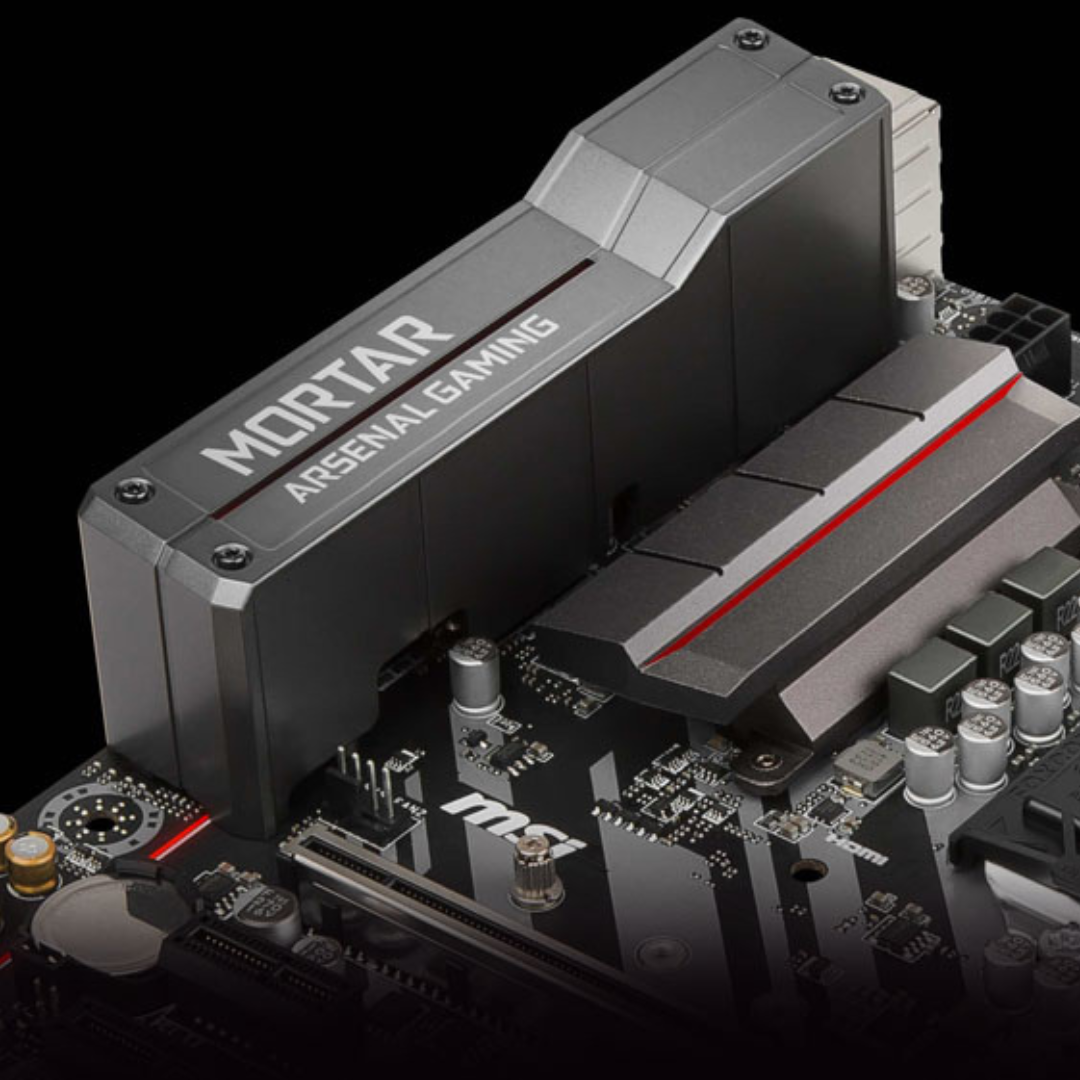
🧩 Motherboard
MSI Z370M MORTAR (Micro ATX, LGA1151)
A compact yet capable board, ideal for fitting into smaller cases without sacrificing I/O:
-
Chipset: Intel Z370, supporting full CPU feature set and overclocking if desired
-
4 × DDR4 DIMM slots (supports up to 64GB memory)
-
Dual M.2 slots and 6 SATA ports for storage expansion
-
Realtek Gigabit LAN, USB 3.1 Gen1 & Gen2, HDMI + DisplayPort
-
Reinforced PCIe slot and quality VRMs ensure long-term stability
Perfect for home lab setups where space efficiency and expandability are key.
❄️ CPU Cooler
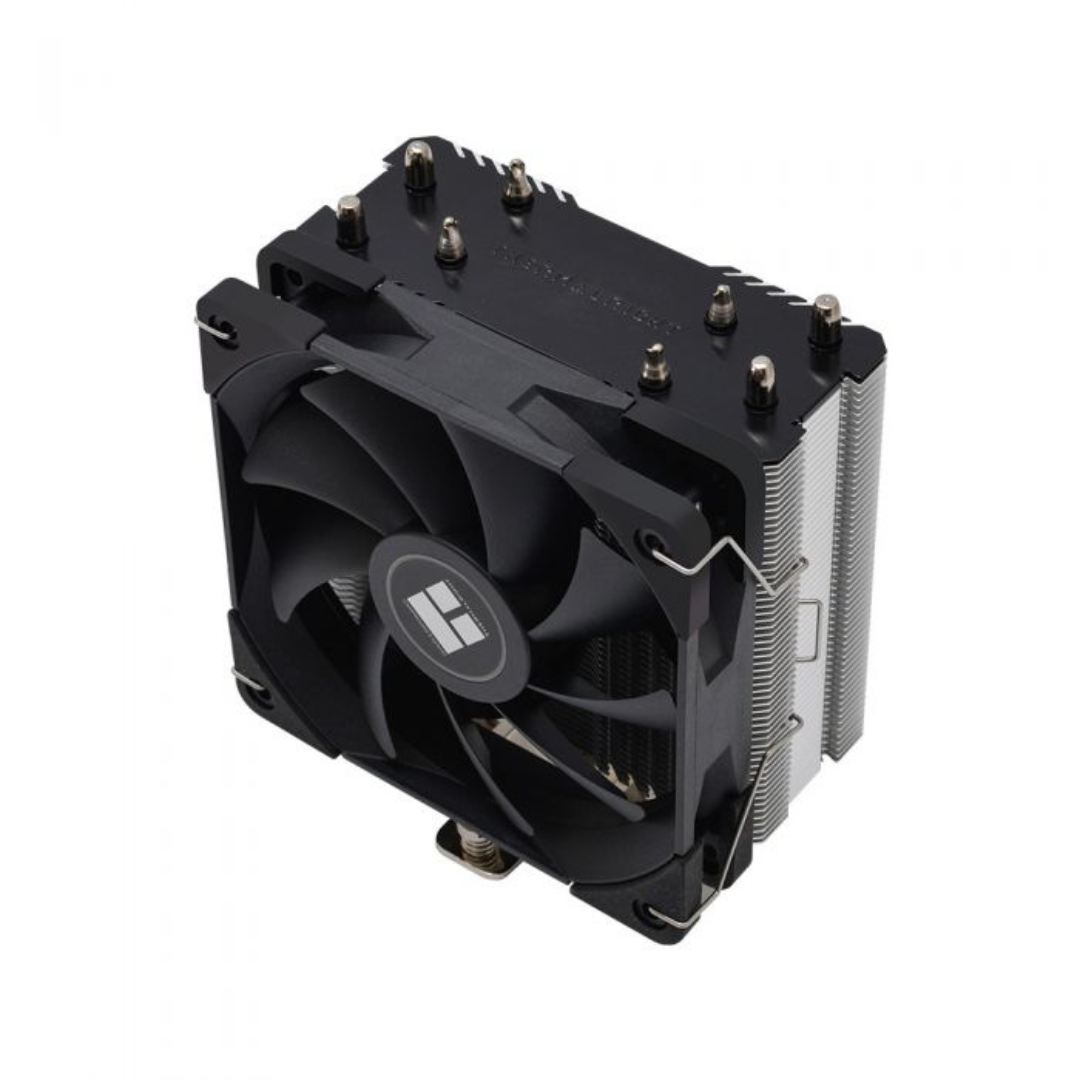
Thermalright Assassin X 120 Refined SE
This cooler is a refined tower-style air cooler designed to deliver excellent thermal performance quietly:
-
Supports LGA 1700/1851 mounting out of the box
-
4 heatpipes and a dense fin stack for fast heat dissipation
-
120mm PWM fan balances airflow and quiet operation
-
Capable of cooling CPUs up to ~150W TDP
While this server uses a locked chip (non-overclocked), the cooler ensures quiet and reliable long-term operation—even under heavy loads.
🧠 CPU
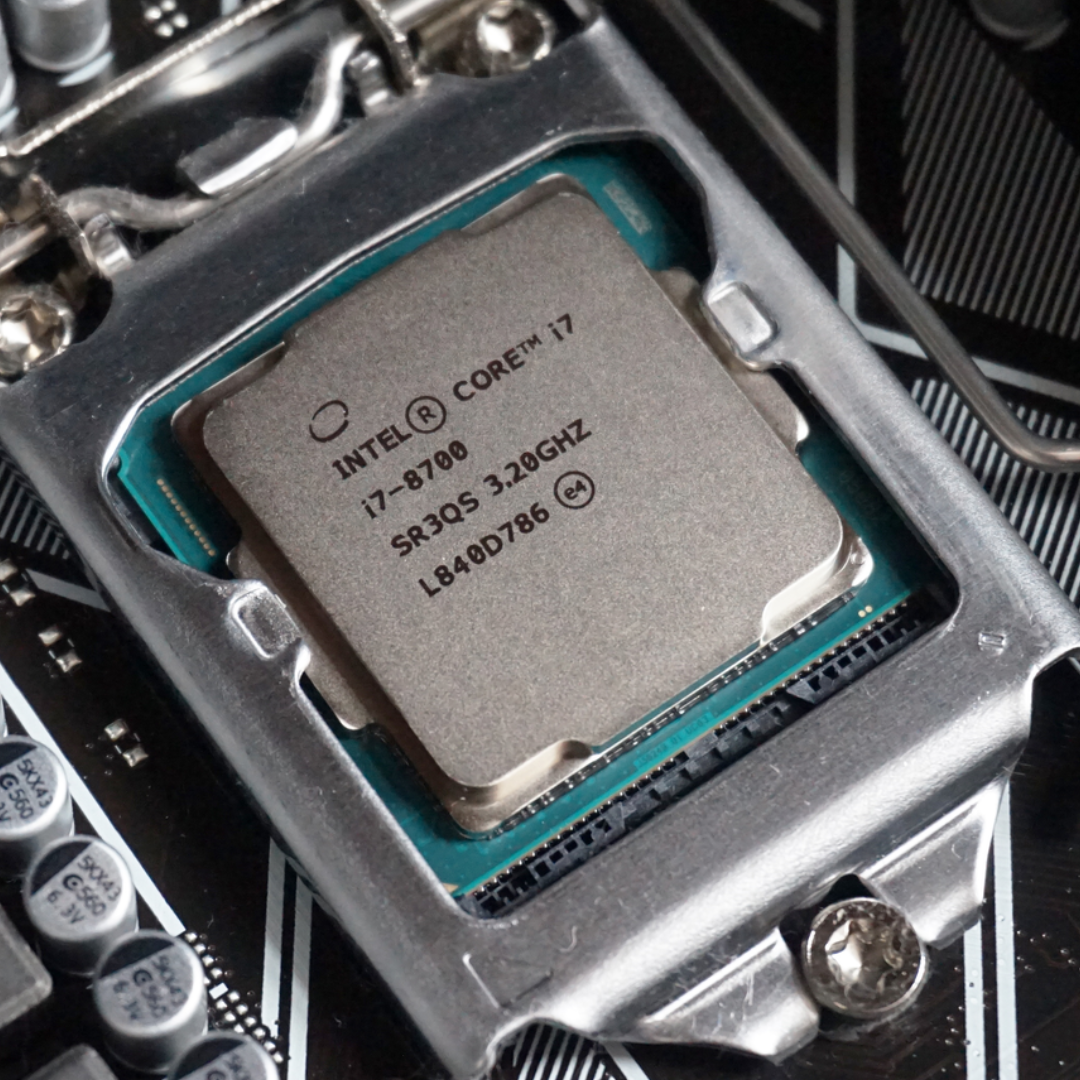
Intel Core i7-8700 (3.2GHz, 6-Core / 12-Thread)
A solid choice for multitasking and server-grade performance without breaking the power budget. The i7-8700 features:
-
6 physical cores and 12 threads – excellent for virtual machines, containers, and simultaneous tasks
-
Base clock of 3.2 GHz, with boost up to 4.6 GHz
-
Support for Intel VT-x and VT-d (great for virtualization and passthrough)
-
Reliable performance on a 65W TDP, which helps keep heat and power draw in check
This CPU brings enough muscle to handle self-hosted services, development tools, backups, and more.
💾 Memory
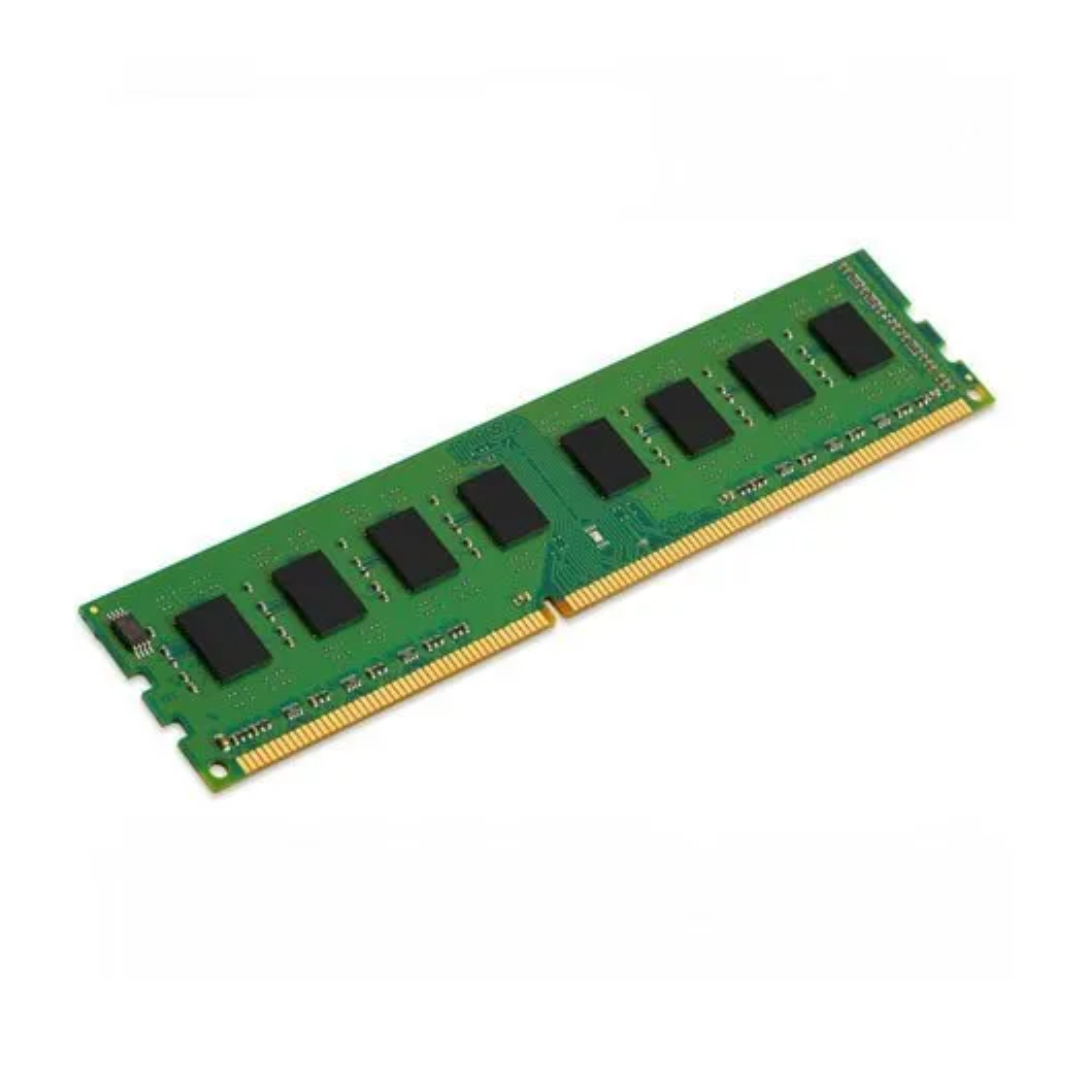
64 GB DDR4-3200 (2 × 32 GB Kingston ValueRAM)
Built for server workloads and multitasking, this configuration delivers:
-
High capacity (64 GB total) – great for Docker, KVM/QEMU, file caching, or media encoding
-
Non-ECC but reliable, JEDEC-compliant Kingston ValueRAM
-
3200 MHz clock speed with CL22 latency for balanced performance
-
Single-rank sticks for better compatibility in tighter configurations
Whether you’re running containers, virtual machines, or caching large files, this amount of memory ensures your server won’t be starved for RAM.
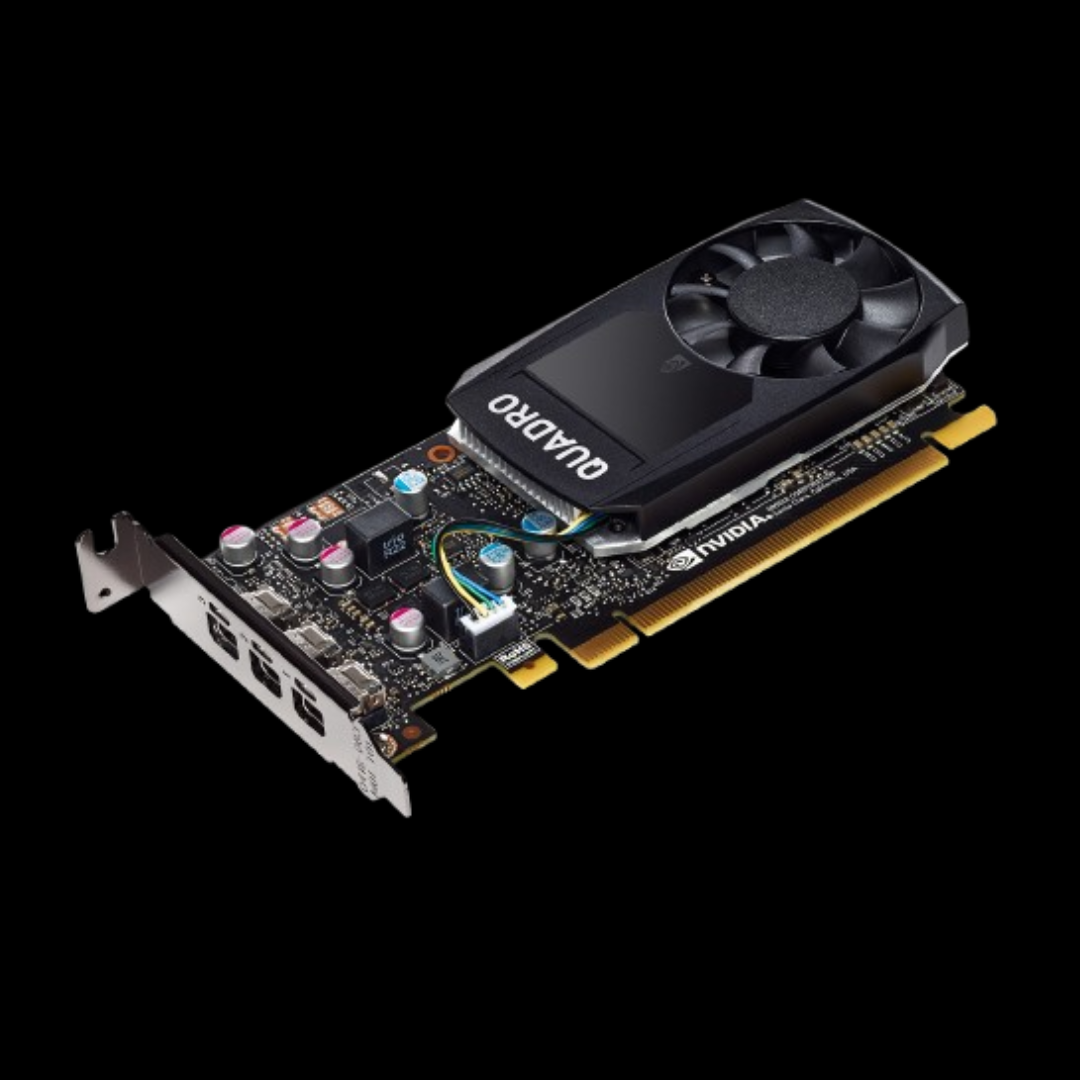
🎮 GPU
Quadro P400 (2 GB GDDR5)
A low-power, workstation-grade GPU that provides:
-
Basic video output for headless or GUI setups (3 × Mini DisplayPort)
-
Hardware acceleration for light media encoding and decoding (NVENC)
-
Excellent Linux compatibility with mature NVIDIA driver support
-
Low profile and silent operation
While not a gaming GPU, the P400 is more than enough for remote desktop, media previews, or even Plex hardware transcoding in a pinch.
🗃️ Storage
6 × Seagate Exos 7E8 8TB 7200RPM (48 TB Total Raw Capacity)
These enterprise-grade drives form the heavy-duty storage backbone of my home lab, providing the bulk capacity and reliability needed for my self-hosted services, media, and development environments.
-
7200 RPM Spindle Speed: Delivers faster read/write operations compared to standard desktop drives.
-
256MB Cache: Smooths out burst performance when multiple Docker containers are actively hitting the disks.
-
4Kn Sector Format: Utilizing native 4K sectors for optimal storage efficiency, performance, and compatibility with modern file systems.
-
Enterprise Reliability: Rated for 2.0M hours MTBF and true 24/7 operation to support the constant uptime of my stack.
-
SnapRAID & MergerFS Architecture: These drives are pooled together using MergerFS and protected by SnapRAID. I dedicate two of the 8TB drives to dual parity, leaving me with 32TB of highly flexible, usable space. This setup ensures excellent data integrity for everything from my Immich photo libraries to HOSPO OPS backups, allowing the array to survive up to two simultaneous drive failures.
The drives are securely housed with targeted airflow to ensure longevity and stable I/O across all my heavy workloads.
⚡ Power Supply
Corsair RM1000x 2024 (1000W, 80+ Gold, Fully Modular)
A high-capacity, ultra-reliable power source designed to support maximum expansion and 24/7 uptime:
-
80+ Gold Certified: Ensures excellent energy efficiency and stable power delivery under continuous, heavy server loads.
-
Fully Modular Design: Essential for keeping cable clutter to an absolute minimum, ensuring clean, unobstructed airflow across the drives and motherboard inside the Node 804 chassis.
-
1000W of Headroom: A massive step up that easily handles the spin-up power spikes of all six 8TB Exos drives, the LSI HBA card, and the Quadro P400 GPU without breaking a sweat.
-
Future-Proof Capacity: Provides a massive power budget that leaves the door wide open for filling the remaining drive bays, adding M.2 storage, or dropping in 2.5GbE network cards down the line.
-
Quiet Operation: Features a highly tuned fan curve with a Zero RPM mode, keeping the system near-silent during low loads and only ramping up when the server is actively pushed.
This upgraded PSU acts as the silent powerhouse of the lab, guaranteeing the hardware has clean, uninterrupted power no matter how far the storage array and self-hosted services scale.
🏠 Case
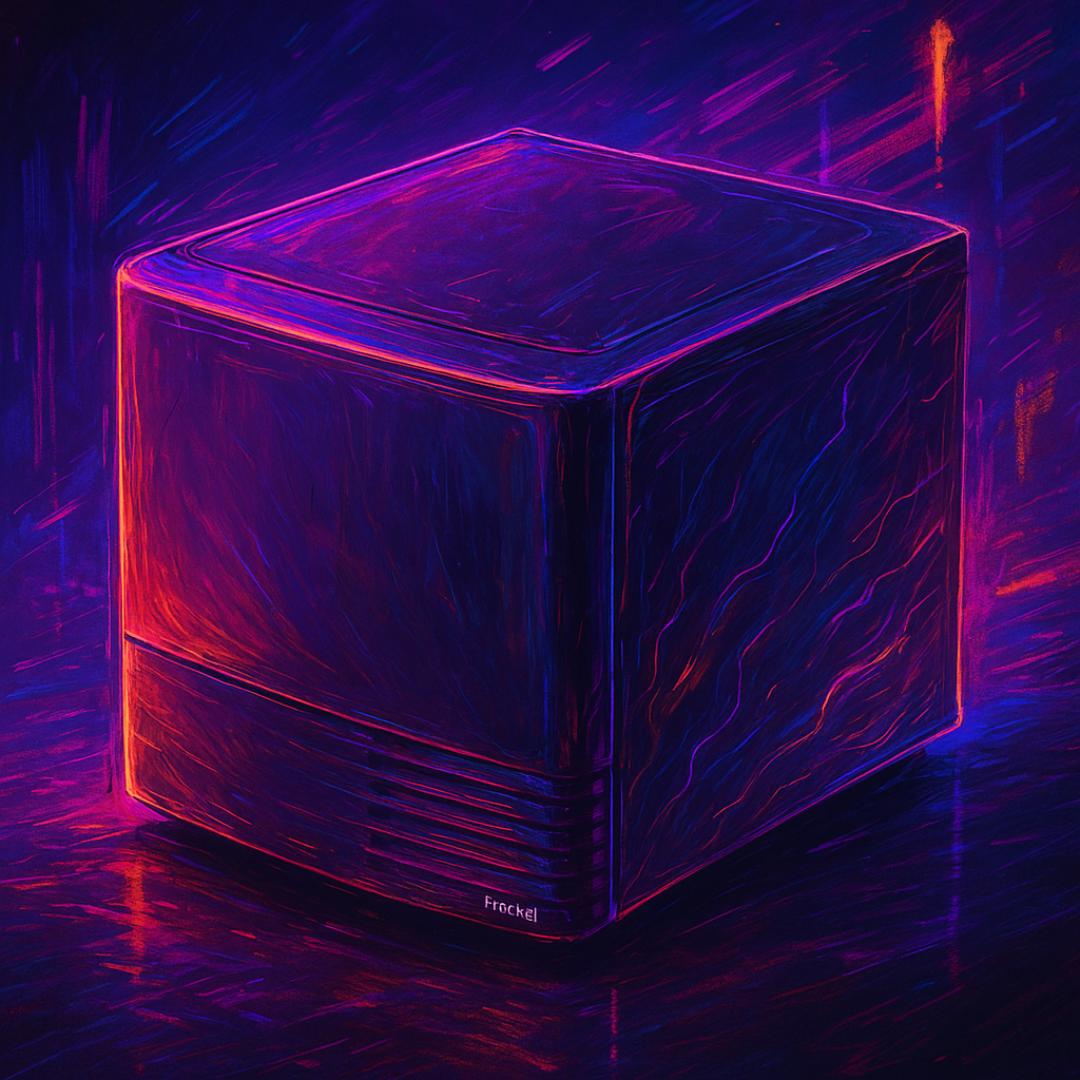
Fractal Design Node 804 (MicroATX Cube Case)
This case is built like a tank and optimized for airflow and storage:
-
Dual-chamber design – separates heat zones for better cooling
-
Supports up to 10 HDDs/SSDs with removable trays
-
Heavy-duty steel and brushed aluminum front
-
Filters on all intakes, front fan mountings, and PSU bay
-
Clean internal layout perfect for NAS or home server builds
Its compact cube shape fits nicely into home setups while packing a serious punch.
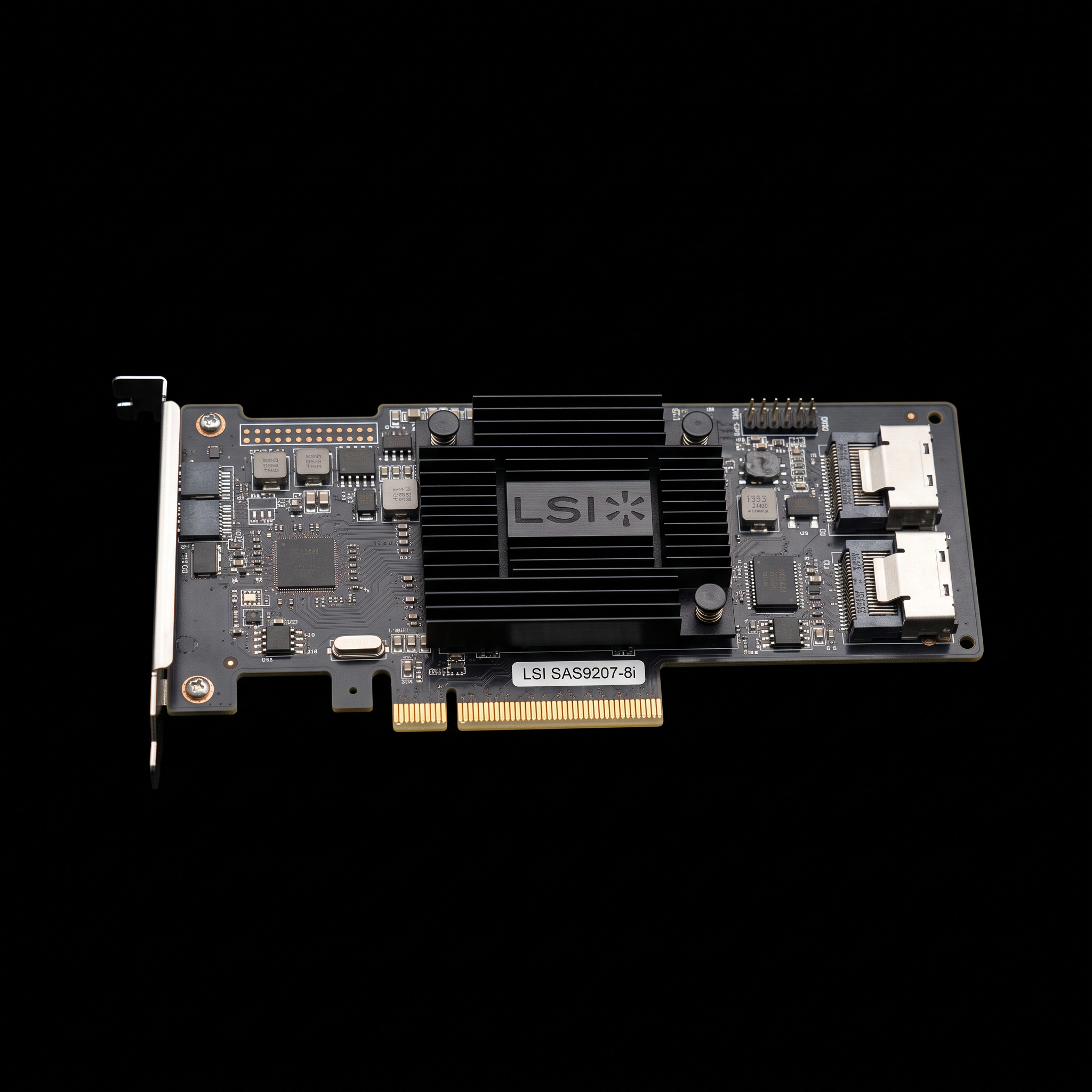
🗄️ HBA (Host Bus Adapter)
LSI 9207-8i SAS HBA (Flashed to IT Mode)
The essential bridge that connects the massive storage array to the rest of the system, providing enterprise-grade drive management:
-
Flashed to IT Mode: Operates strictly as a Host Bus Adapter rather than a hardware RAID controller. This is a critical requirement for the MergerFS and SnapRAID architecture, granting Ubuntu Server direct, unhindered, low-level access to the Seagate Exos drives.
-
Massive Throughput: Utilizing a PCIe 3.0 x8 interface, this card guarantees there are zero bandwidth bottlenecks, even during intensive, full-array SnapRAID syncs or heavy simultaneous I/O from multiple Docker containers.
-
Clean Cable Management: Instead of running individual SATA cables to the MSI Z370M motherboard, this card utilizes dual SFF-8087 breakout cables. This significantly reduces cable clutter inside the Node 804 chassis, maintaining the clean airflow required to keep the drives cool.
-
Enterprise Stability: Originally designed for high-density data centers, the LSI chip ensures rock-solid stability and 24/7 reliability for the entire 48TB storage pool.
This controller is the cornerstone of the storage expansion, cleanly bypassing the motherboard’s built-in SATA limitations and allowing the home lab to scale efficiently.
💖 Support the Server
Help Keep the Home Lab Running and Growing
This project is a personal passion—but it’s also powered by real hardware, real electricity, and a lot of hours behind the scenes. If you like what I’m doing and want to support this server, here’s how you can help:
🧾 Why Donate?
🔧 Expand the server – More storage, RAM, or new services for everyone to enjoy
⚡ Offset operating costs – Power, bandwidth, cooling, and maintenance
🔄 Recycle your old tech – Hardware donations are always welcome and put to good use
💬 Support a community project – Every cent goes directly into improving the server and services
📦 What You Can Donate:
💵 Monetary Donations – One-off or recurring via our upcoming payment options
🧩 Old Parts & Hardware – Drives, memory, fans, and accessories
🧠 Knowledge or time – Got a script, service, or config you want to share?
Every contribution, no matter the size or form, helps keep the project alive and growing.